
Crataegus lavallei Carrierei
$ 58.50
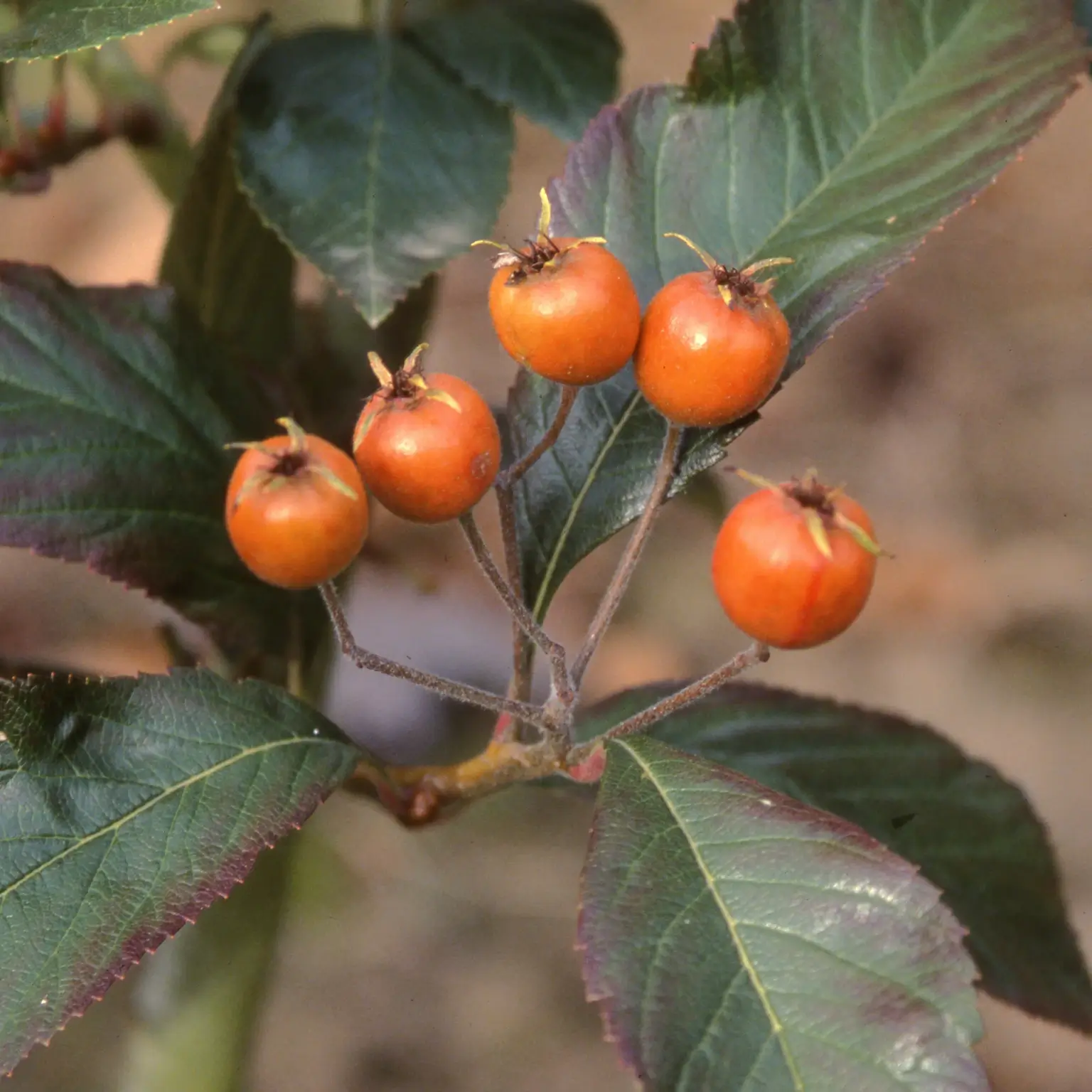
Description Crataegus lavallei Carrierei – Carriere’s Hawthorn Description & Key Features Crataegus lavallei Carrierei, or Carriere’s Hawthorn, is a highly ornamental small tree ideal for Irish gardens. Supplied at 6/8 cm girth and approx. 8 ft tall, it is valued for its semi-evergreen glossy foliage, which holds well into winter. From May to June, clusters of white flowers provide nectar for pollinators. These are followed by long-lasting orange-red berries that persist into the colder months, adding colour and supporting local birdlife. Key features: Semi-evergreen with glossy dark green foliage Abundant spring flowers for pollinators Striking berries that last into winter Tough and adaptable to Irish soils, including heavier ground Tolerant of exposure, wind, and urban pollution Planting Size supplied: 6/8 cm girth, approx. 8 ft in height Planting season: Best planted from late autumn to early spring while dormant Position: Full sun to partial shade Soil: Adaptable to most soils; thrives in well-drained or heavier Irish soils Spacing: Allow room for growth if used as a specimen tree; for mixed hedgerows, space at 1–1.5 metres Aftercare & Maintenance Watering: Keep well-watered during the first couple of seasons until established Pruning: Minimal maintenance required — remove dead or crossing branches in winter Feeding: Mulch annually in spring and apply slow-release fertiliser if soil is poor Wildlife benefits: Supports bees and pollinators in spring, and birds with berries in autumn/winter Why Choose Crataegus lavallei Carrierei? Carriere’s Hawthorn is a superb all-rounder for Irish gardens. Hardy, low-maintenance, and packed with seasonal interest, it works beautifully as a specimen tree, in urban landscapes, or as part of a mixed hedge or boundary planting. Its glossy leaves, spring blossom, and vibrant berries make it a reliable choice for year-round appeal. Other options for Crataegus trees that compliment Crataegus lavallei include Persimilis and Paul Scarlet Trees.